Point-of-Sale Inspections in Cleveland Suburbs: 2026 Repair Guide
Which Cleveland suburbs require point-of-sale inspections, what they cost, and what to fix before closing.

A point-of-sale (POS) inspection is a city inspection you must get before selling a home in many Cuyahoga County suburbs, including Cleveland Heights, Shaker Heights, University Heights, Euclid, Maple Heights, and Garfield Heights. Violations must be fixed before closing or covered by an escrow, often 125 to 150 percent of the repair estimate. Cleveland, Parma, and Strongsville do not require one.
Key takeaways
- Apply early: most cities want the application filed before you sign a purchase agreement.
- Escrow costs more than repairs: Shaker Heights holds 150 percent of the estimate and Cleveland Heights 125 percent, so fixing items yourself is usually cheaper.
- Buyers can take on repairs: with an assumption form, an escrow, and a firm deadline.
- Exterior items dominate: peeling paint, gutters, concrete, and garages show up on most reports.
- Rules change: confirm fees and steps with the city before you list.
Which Cleveland-area cities require a point-of-sale inspection?
| City | What is inspected | Fee (single-family) | If repairs are not done by closing | Phone |
|---|---|---|---|---|
| Cleveland Heights | Interior and exterior | $200, plus $50 per extra unit | Escrow for Class A violations at the city's estimate times 125%; certificate valid 1 year | 216-291-4444 |
| Shaker Heights | Interior and exterior, about 90 minutes | $200 ($300 two-family, $150 condo) | City holds 150% of the repair estimate; seller has 90 days to correct | 216-491-1470 |
| University Heights | Interior and exterior | $250 ($300 two-family) | Buyer can assume with an escrow matched to the violations; valid 1 year | 216-932-7800 |
| Euclid | Exterior, interior optional | $225, plus $35 per unit over three | Confirm escrow with the Housing Department | 216-289-8127 |
| Maple Heights | Exterior, interior optional | $100 plus $10 admin fee | Escrow held by the title company or lender; owner-occupant buyers may qualify for a waiver | 216-346-3399 |
| Garfield Heights | Exterior, interior with consent | Confirm with the city | Buyer has 90 days after transfer to finish repairs | 216-475-3835 |
| Warrensville Heights | Point-of-sale inspection | $200 | 150% of the repair estimate | 216-587-1230 |
| South Euclid | Vacant homes only | $200 compliance certificate | Buyer files an assumption form; 100% of the city escrow amount; 6 months to correct | 216-381-0400 |
| Lakewood | Non-owner-occupied rentals only | Confirm with the city | Owner-occupied homes are exempt | 216-529-6270 |
| Cleveland | No POS inspection | $60 Certificate of Disclosure | Disclosure is required for every sale | Online portal |
No general point-of-sale inspection is listed for Parma, Parma Heights, Strongsville, North Olmsted, North Royalton, Rocky River, Solon, Beachwood, Pepper Pike, Fairview Park, Berea, or Lyndhurst. Brecksville and Middleburg Heights only require a septic inspection if the home has one. Sources: each city's building or housing department and a 2026 Cuyahoga County POS list compiled by Infinity Title Agency. Fees and rules change, so call the city before you list.
How does the point-of-sale process work?
- Apply before you sign a contract. Shaker Heights recommends allowing at least two weeks from application to inspection, and three to four weeks in spring.
- The inspector walks the house. Most single-family inspections take about an hour to an hour and a half.
- You get a report of violations. University Heights, for example, sends it within 10 days.
- Fix the items and schedule a re-inspection, or have the buyer assume them with an escrow.
- The city issues a certificate of compliance or approves the escrow, and the sale can close.
Give the buyer a copy of the inspection certificate before they sign. Cleveland Heights requires it, and most other POS cities ask for a signed buyer acknowledgement.
How much escrow will be held at closing?
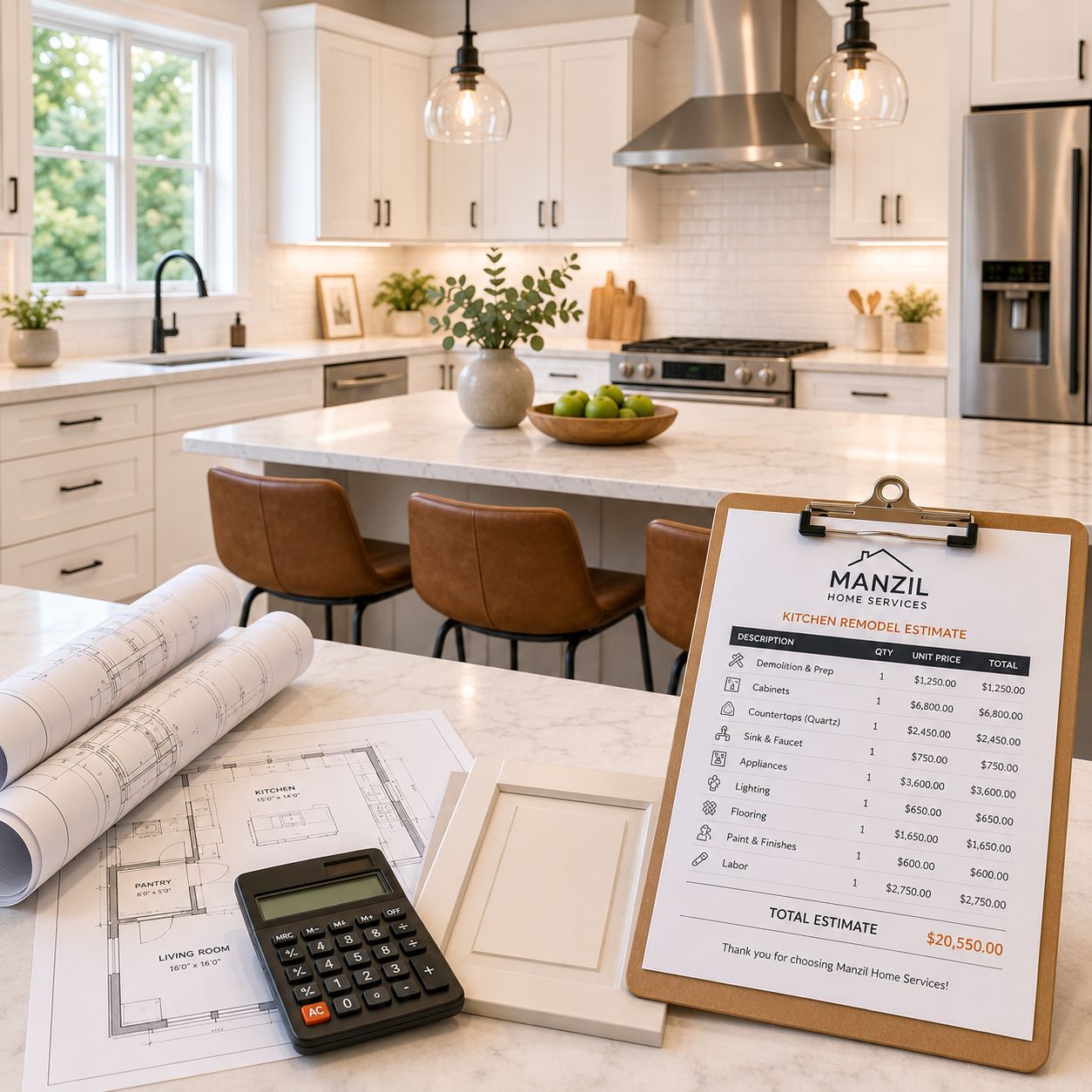
Escrow is set above the expected repair cost so the work actually gets done. Cleveland Heights multiplies its average repair price by 125 percent: a roof it estimates at $5,000 means $6,250 held at closing. Shaker Heights holds 150 percent of the estimate, so a $10,000 list of repairs ties up $15,000.
You can often lower that number. Cleveland Heights may accept a signed contract from a registered, bonded contractor as the escrow amount, and Shaker Heights bases buyer escrows on an itemized estimate from a registered contractor. Both cities may accept a qualifying rehab loan, such as an FHA 203(k), in place of the escrow when it covers the violations.
What do point-of-sale inspectors flag most often?
Every city has its own checklist, but the same items appear on report after report in older Cleveland suburbs.
Exterior
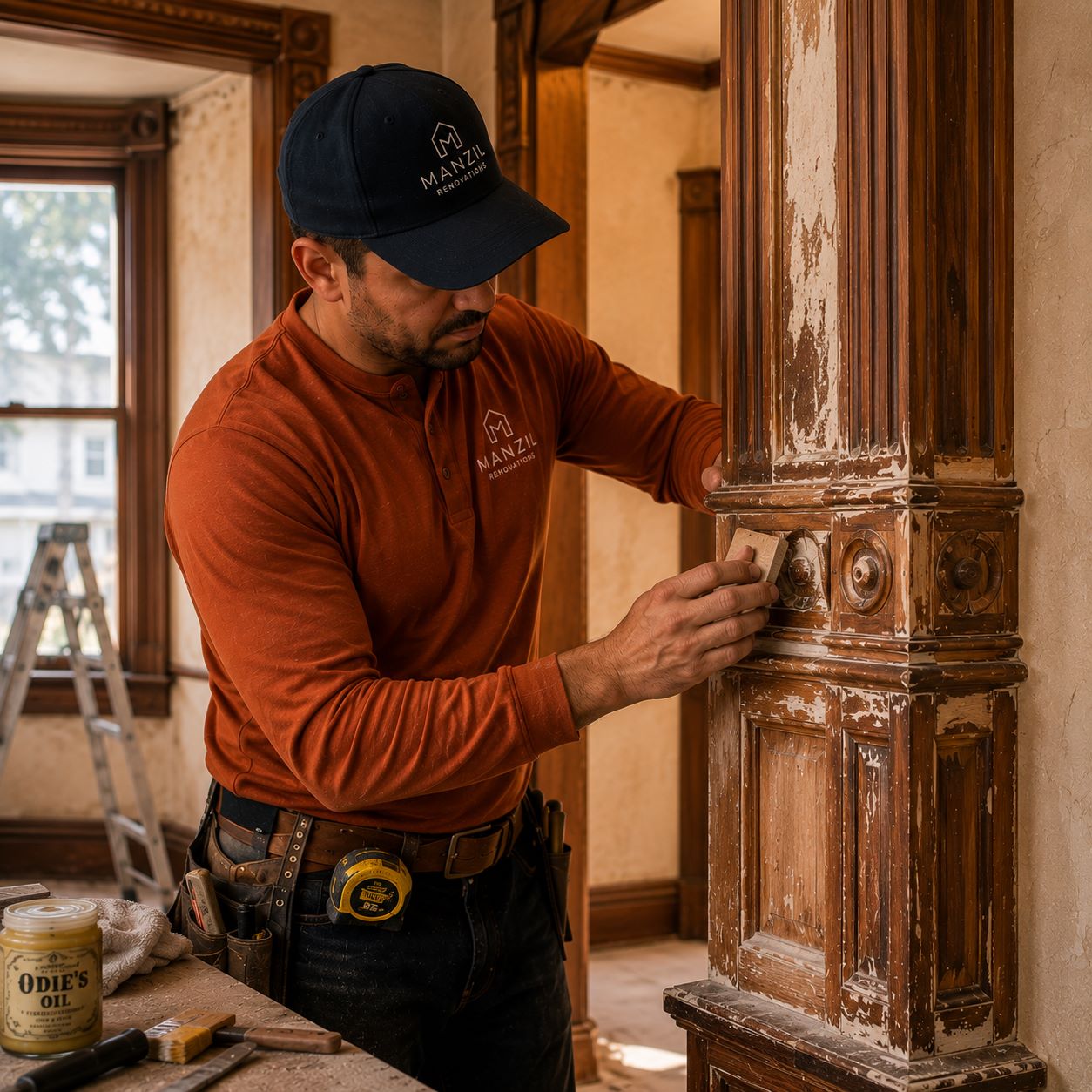
- Peeling or bare paint on siding, trim, windows, and garages. In homes built before 1978, painted surfaces must be handled with lead-safe work practices.
- Gutters and downspouts that are loose, leaking, or not draining away from the house.
- Cracked or heaved concrete on driveways, walks, and front steps that creates a trip hazard.
- Garages with worn roofs, rotted trim, damaged siding, or doors that do not work.
- Masonry that needs tuckpointing, especially chimneys and foundation walls.
- Missing handrails on steps, plus broken windows, torn screens, and missing house numbers.
Interior
- Smoke and carbon monoxide alarms missing or not working.
- Electrical hazards such as open junction boxes, missing cover plates, and outlets near water without GFCI protection.
- Water heaters with no discharge pipe on the relief valve or poor venting.
- Basement stair handrails, plumbing leaks, and foil dryer vents.
Should the seller fix violations or let the buyer assume them?
Sellers usually come out ahead fixing violations before closing, because escrow ties up more cash than the repairs cost and a clean certificate makes the home easier to sell. Buyers and investors who assume violations get a lower price but sign an affidavit, fund the escrow, and must finish on the city's clock: 90 days after transfer in Garfield Heights and six months in South Euclid. Realtors can protect a closing date by ordering the inspection as soon as the listing is signed.
How long do point-of-sale repairs take?
Smoke alarms, cover plates, handrails, and GFCI outlets can usually be done in a day. Gutters, garage doors, and small paint jobs take a few days. Roofs, concrete, tuckpointing, and full exterior painting depend on the weather. Cleveland winters make exterior paint and concrete hard from late fall to spring, so if you list in cold months, ask the city how it handles exterior items that cannot be done until spring. Some repairs, such as electrical or plumbing work, also need their own permits; check yours with our Cleveland permit checker.
How Manzil Renovation helps with point-of-sale repairs
We fix point-of-sale violations for homeowners, investors, and realtors across the Heights and the east and south suburbs. That includes general repairs, exterior painting, roofing, and siding, with written estimates you can give the city for escrow. We work in Cleveland Heights and Shaker Heights, and our Shaker Heights historic home guide covers the design-review rules that can apply to exterior repairs there. Send us your POS report for a free repair estimate.
Frequently Asked Questions
Does Cleveland require a point-of-sale inspection?
No. The City of Cleveland does not require a point-of-sale inspection for home sales. It does require a $60 Certificate of Disclosure for every real estate transaction, requested through the city's online portal. Many suburbs around Cleveland, including Cleveland Heights, Shaker Heights, and Euclid, do require a POS inspection.
How much does a point-of-sale inspection cost in Cleveland suburbs?
Most single-family inspections cost $100 to $250. Maple Heights charges $100 plus a $10 admin fee, Cleveland Heights and Shaker Heights $200, Euclid $225, and University Heights $250. Two-family homes and apartment buildings cost more, usually with a charge for each extra unit.
What happens if point-of-sale violations are not fixed before closing?
The buyer can usually take them on by signing an assumption form and funding an escrow. Shaker Heights and Warrensville Heights hold 150 percent of the repair estimate, and Cleveland Heights 125 percent. The buyer then has a set deadline, such as 90 days in Garfield Heights, to finish the work.
How long is a point-of-sale inspection valid?
In Cleveland Heights and University Heights, the inspection is valid for one year. In Shaker Heights, a certificate of compliance lets you transfer the home within 24 months of the first inspection. If the sale does not close in time, you need a new application, fee, and inspection.
Can I sell a house as-is in a point-of-sale city?
Yes. You still need the inspection, but the buyer can assume the violations instead of you fixing them. Expect a lower offer to cover the repairs and the escrow, and fewer financed buyers, since some lenders want violations addressed first. Investors buying as-is homes should budget for the escrow and the city's repair deadline.